Programs & Services
Prevention Programs
The Wood County Educational Service Center's school and community based Prevention Education Program uses evidence-based programs in the classroom. If you have any questions about our programs, please feel free to contact us.
Substance Use Prevention Programs
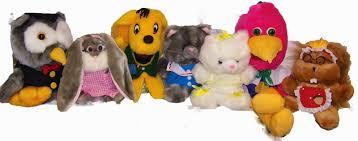
B.A.B.E.S. (Beginning Alcohol Basic Education Studies) is a primary prevention program designed to help children in kindergarten through second grade develop positive life skills. The program uses several puppets to introduce factual, non-judgmental information about alcohol, drugs, decision-making and coping skills.
Catch My Breath uses peer-led teaching to empower students with the knowledge and skills needed to make informed decisions about e-cigarettes and resist social pressure to vape.
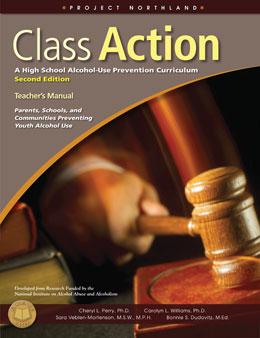
Class Action looks at social and legal consequences involving teens and alcohol. Teens prepare and present hypothetical civil cases in which someone has been harmed as the result of underage drinking. Topics include drinking and driving, fetal alcohol syndrome, drinking and violence, date rape, drinking and vandalism, and school alcohol policies. For grades 9-12. Read the SAMHSA report about this program.
DBT Steps-A teaches skills that have been demonstrated to be effective in helping adolescents manage difficult emotional situations, cope with stress and make better decisions.
Hooked on Fishing, Not on Drugs uses in class training and a fishing outing with peers and family members to introduce a protective factor in the form of a recreational activity.
Teen Institute/Junior Teen Institute are peer-led groups that train, mobilize and empower youth to develop and utilize leadership skills in speaking out about the illegal use of alcohol and drugs and promoting healthy behaviors.
Too Good For Drugs and Violence helps students develop protective factors and resist developing problem behaviors, teaching a skills framework including setting reachable goals, identifying and managing emotions, and effective communication.
Why Try combines visual analogies with multimedia and physical activities to teach students social and emotional skills to build resilience at home and at school.
Suicide & Violence Prevention Programs (HB123/SAVE Students Act)
Erika’s Lighthouse lessons give students the skills they need to practice good mental health, ask for help, or assist a friend in need.
Lifelines sessions help youth assist friends with mental health needs, identify trusted adults, develop self care habits and support systems and dispel myths about mental health and suicide.
MBF Mental Health Matters is a research-based school program teaching students to understand, identify, and respond to mental health issues, building resilience through lessons on coping skills, reducing stigma, recognizing signs of mental illness, setting boundaries, and substance abuse prevention.
Teen Mental Health First Aid (TMHFA) teaches high school students to identify, understand, and respond to signs and symptoms of mental health or substance use issues in their peers.
Erin’s Law (Sexual Abuse Prevention & Dating Violence Prevention) provides age-appropriate education in public schools (PreK-12) to teach children how to recognize and prevent child sexual abuse, identify trusted adults, and report abuse, while also training staff and informing parents about warning signs and resources, using methods like safe/unsafe touches, boundaries, consent, and healthy relationships. Ohio was the 38th state to enact it in 2023.
MBF Child Safety Matters/Teen Safety Matters are age-appropriate programs that educate and empower students with information and strategies to prevent, recognize, and respond appropriately to bullying, digital dangers, trafficking, and all types of child abuse and exploitation.
Safe Dates educates youth on how to identify and prevent dating violence by recognizing the differences between caring, supporting relationships and controlling, manipulative, or abusive relationships.
Other programs:
Kinship Care Groups, also called Grandparents Raising Grandchildren, meet in a casual and welcoming environment, offering education and support to grandparents who are raising grandchildren. Grandparents have the opportunity to meet other caregivers, develop a network of support, and receive information about resources and services available. For more information, click here.
The Red Ribbon Campaign is a national campaign. During Red Ribbon Week, students wear their red badges proudly and have the courage to say no to drugs.